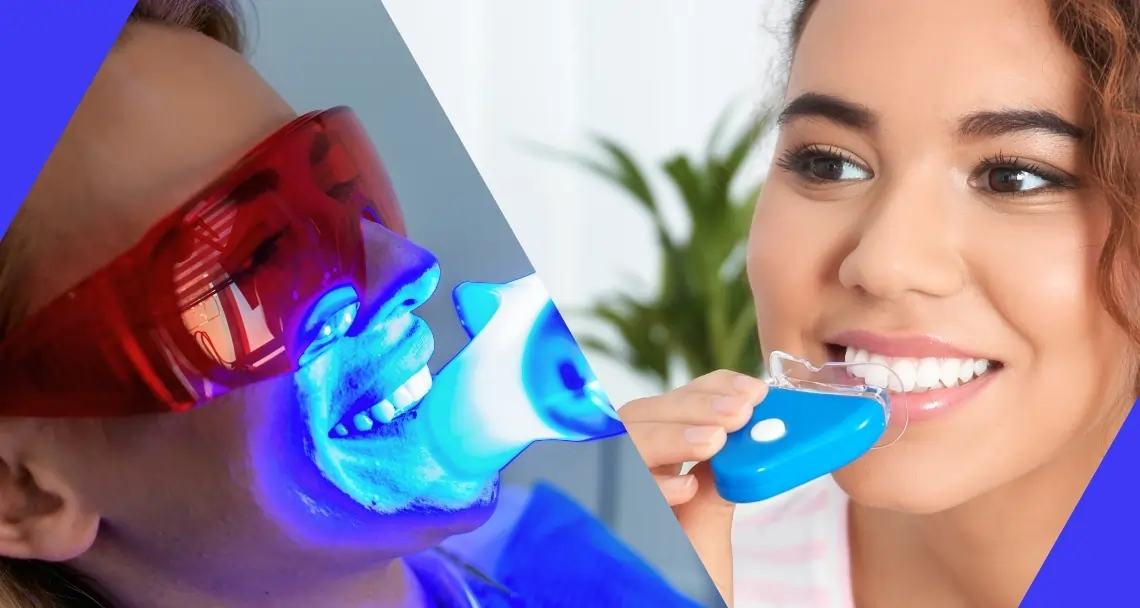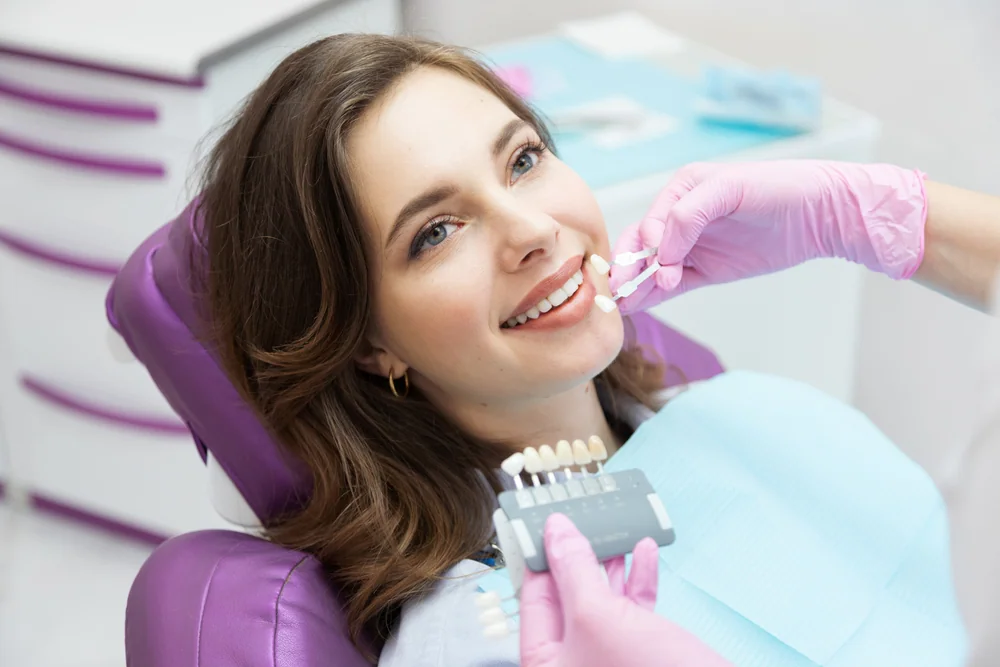
If you love your daily coffee, the days after teeth whitening Macclesfield can feel a bit restrictive—but it doesn’t have to be miserable. The key is being mindful, not perfect.
Right after whitening, your teeth are more porous, which means they can pick up colour much more easily. Think of them like a freshly cleaned white shirt—anything dark can stain it quickly.
For the first 48 hours, it’s best to stick to what dentists often call a “white diet.” This includes foods like plain rice, chicken, fish, potatoes, yoghurt, and white bread. It may sound boring, but it’s temporary—and it protects your results. See The Bitter Truth: How Coffee Affects Your Teeth After Whitening Macclesfield
Hydration also matters more than people realise. Drinking plenty of water helps rinse away pigments before they settle into your enamel. If you’re craving flavour, milk is a safer alternative during this period.
Once you reintroduce coffee, balance is everything. Pair it with water, avoid sipping it slowly over long periods, and try not to have multiple cups back-to-back.
Can You Drink Coffee After Teeth Whitening?
Short answer: yes—but not immediately.
Most dentists recommend avoiding coffee for at least 24 to 48 hours after teeth whitening treatment. This is because your enamel is temporarily more absorbent, making it easier for dark liquids like coffee to stain your teeth again.
If you absolutely can’t skip your coffee, there are ways to reduce the risk. Let it cool slightly (hot drinks can open enamel pores more), and consider adding milk to dilute the colour. Using a straw might feel odd with coffee, but it can help limit direct contact with your teeth. Unraveling Myths and Facts About Coffee’s Effect on Dental Enamel Macclesfield
That said, giving your teeth a short break from coffee is one of the easiest ways to protect your investment. Even a couple of days can make a noticeable difference in how long your results last.
Why Are Teeth More Sensitive to Stains After Teeth Whitening?
Your teeth are more susceptible after teeth whitening, not just to sensitivity, but also to surface staining.
The reason this occurs is due to the fact that whitening opens pores in your enamel. These pores enable the whitening agents to come in, as well, and lift stains away from inside the tooth. When they are open, though, they can also absorb more easily new pigments.
It’s not permanent. Your enamel naturally starts to remineralise, and those pores are closed again within a day or two. However, within that narrow timeframe, dark foods and beverages can reverse some of those whitening effects.
Which is why aftercare advice can be a big deal. This isn’t about punishing yourself; this is letting your teeth settle and lock in the results you just achieved.
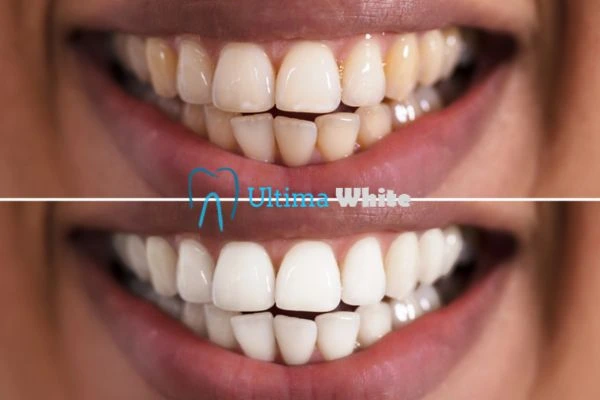
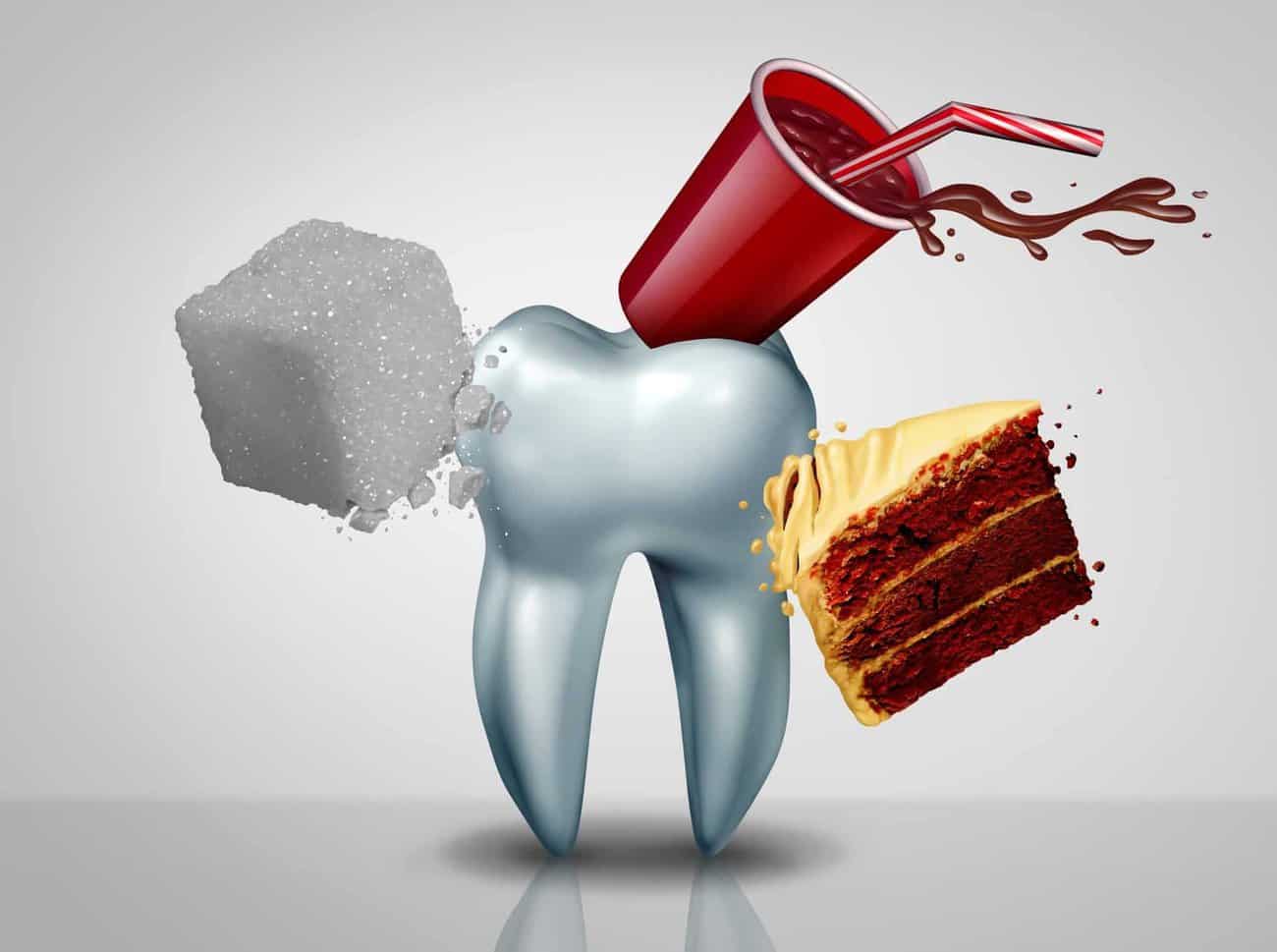
How Can Coffee Lovers Prevent Staining After Teeth Whitening?
Giving up coffee entirely isn’t realistic for most people—and honestly, you don’t need to. It’s more about changing how you drink it.
One of the simplest habits is to avoid sipping coffee slowly over long periods. The longer it sits on your teeth, the more opportunity it has to stain. Try to drink it in one sitting rather than nursing it for hours.
Rinsing your mouth with water right after your coffee can make a big difference. It helps wash away the pigments before they have a chance to settle. See Here: How Is AI Revolutionising Dental Diagnostics Today Macclesfield?
Another useful trick is timing. Drinking coffee with meals rather than on its own reduces staining because saliva production increases during eating, which naturally protects your teeth.
You can also consider using a straw, especially for iced coffee. It’s not the most common habit, but it works.
And finally, maintaining good oral hygiene—brushing twice a day and flossing regularly—goes a long way in keeping stains from building up again.
What Are the Best Foods to Eat After Teeth Whitening?
Eating the right foods after teeth whitening can protect your results and minimize sensitivity.
Stick to light, less acidic ones – they are generally the safest choice. Consider parfied chicken, white fish, rice, pasta, and eggs, as well as a banana and yoghurt. These are easy on your teeth and probably won’t leave any stains.
Dairy products, in particular, support enamel health due to the calcium they contain. Certain foods, such as cheese and milk, may even provide aid to help rebuild your teeth as you recover.
The only exception to this would be anything heavily pigmented; you should steer clear of things like berries, tomato-based sauces, soy sauce, and obviously coffee and red wine for a good couple of days.
Spicy and acidic foods can likewise cause elevated sensitivity, so it might be best to keep the spice level at a low simmer while your teeth settle.
This is not about permanently banning your food; this is merely allowing a short time for your teeth to get proper rest.
How Can You Maintain Your Whitening Results Long-Term?
To be fair, keeping your teeth white isn’t about doing anything special… It’s more about not slipping on the basics.
A lot of people think they need some complicated routine, but honestly, it usually comes down to things like:
- Brushing properly (not just quickly rushing it)
- Flossing… even if it’s not every single night
- Not letting coffee or tea sit on your teeth for ages
You don’t have to cut out your favourite drinks. Most people won’t anyway. Just try to be a bit aware of it—like having some water after teeth whitening, or not sipping the same cup for an hour.
Another thing people forget is getting their teeth cleaned. Even if you’re doing everything right at home, there’s always a bit of build-up that only a proper clean sorts out. Laser Teeth Whitening Macclesfield vs Overnight Trays: Which Is More Effective and Worth the Cost?
And yeah, over time your teeth might lose a bit of that brightness—that’s normal. When that happens, a small top-up can bring it back. Doesn’t need to be often, just when you notice it.
That’s pretty much it. Nothing strict. Just small habits that you actually stick to without overthinking it.
FAQs
Q: How soon can I drink coffee after teeth whitening Macclesfield?
Try to steer clear of coffee for at least 24–48 hours post-treatment. It allows time to settle your enamel and prevents stains when teeth are more porous.
Q: How soon after teeth whitening can I drink coffee?
Drinking coffee too soon can lead to quick re-staining, sometimes undoing part of your whitening results Macclesfield. You might notice your teeth looking slightly duller or less bright than expected.
Q: After teeth whitening, can I make coffee safe by adding milk?
Sure, milk will dilute the pigment in coffee Macclesfield, which should slightly reduce how much they stain your teeth. It’s not 100% risk free, but it sure is an improvement over regular coffee.
Q: Is it bad to brush my teeth immediately after drinking coffee?
Brush about 20–30 minutes later, at least. Coffee itself is a little acidic, and brushing right after can damage that enamel. It is much safer to rinse your mouth with water first.
Q: What drinks can be taken straight after teeth whitening Macclesfield?
Yes—water is the best option. Milk is also a safe choice. Non-acidic, clear or light-coloured drinks are okay during the first couple of days.
Q: If I drink coffee daily, how do I minimize bleeds?
These simple habits can do wonders – finish your coffee in one go, rinse your mouth with water afterwards, and avoid sipping it for an extended period. It also makes a huge difference to stay on top of good oral hygiene.