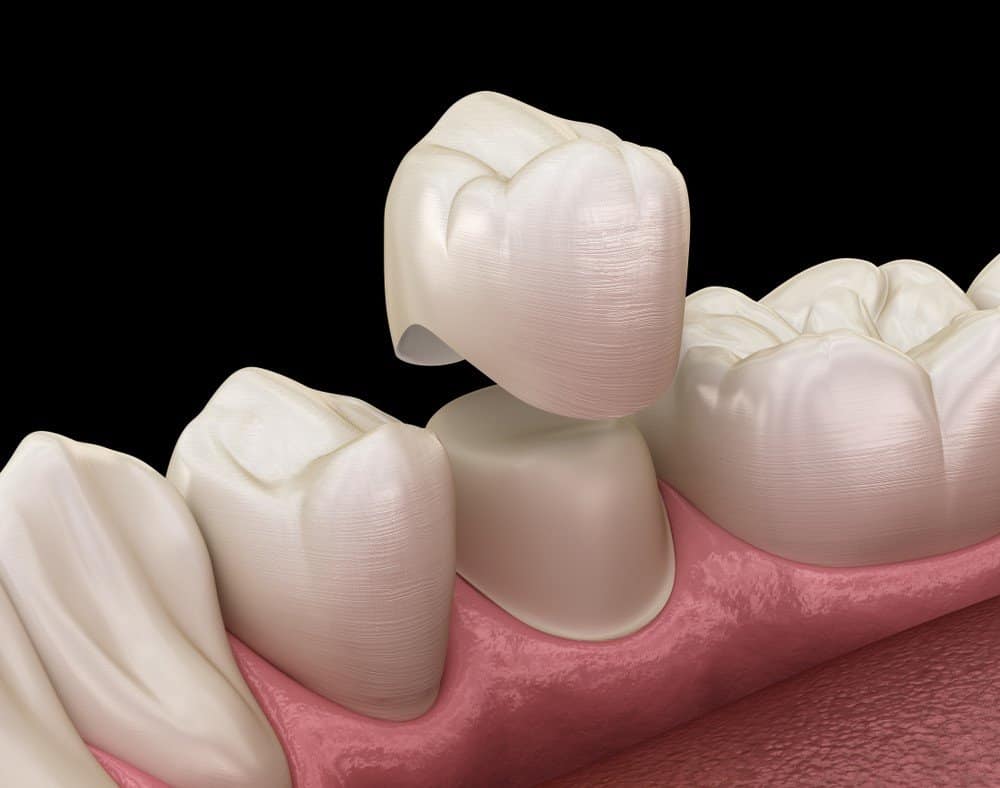
Dental crowns Macclesfield are generally very reliable and long-lasting, but they can still come with a few challenges over time. Most people expect them to feel completely natural, and in many cases they do—but small issues can develop if the crown or surrounding tooth changes over the years.
Some patients notice slight sensitivity when eating something hot or cold, especially soon after placement. Others may feel that the crown “feels different” when biting, almost like it’s slightly higher or not fully aligned.
A few other common concerns include:
- Gum irritation or mild swelling around the crowned tooth
- A crown that feels slightly loose after years of use
- Food is getting trapped near the edges
- Occasional discomfort while chewing hard foods
The key thing to understand is that most of these issues are manageable if caught early. Regular dental check-ups, good oral hygiene, and avoiding unnecessary pressure on the crown can prevent most complications before they start. See The Essential Guide to Dental Crowns [name}: Enhancing Oral Health in Restorative Dentistry
What Are the Most Common Problems People Face with Dental Crowns?
Despite dental crowns Macclesfield being made to protect and strengthen teeth, there are a handful of issues that patients repeatedly have.
The most familiar is sensitivity while consuming extremely hot teas or cold foods such as ice cream. It may occur if the nerve within the tooth is still settling down, or perhaps the seal around the crown is not exact. Check Out: The Science and Speed of Laser Teeth Whitening Macclesfield
A separate problem is a custom-fitting crown. This typically does not occur overnight — it’s a process that develops over time as the cement holding the crown becomes compromised, or decay occurs beneath.
Other problems reported by people are as follows:
- Cosmetic wear from chipping or cracking, particularly porcelain crowns under strain
- In older crowns, you may have a dark line toward the gum
- Unpleasant taste or odor (typically from bacteria trapped in the hair shaft)
- An incorrect bite, in which the crown feels a little too “high” when biting
Although these problems can be frightening, most of them are easily reversible with timely dental visits.
Why Do Dental Crowns Fail or Get Damaged Prematurely?
Dental crowns Macclesfield don’t usually fail without a reason—there’s almost always an underlying cause.
One of the biggest culprits is teeth grinding (bruxism). Many people don’t even realise they grind their teeth at night, but the constant pressure can slowly weaken or crack a crown.
Another major reason is poor oral hygiene. Even though the crown itself cannot decay, the natural tooth underneath still can. If plaque builds up around the edges, it can lead to decay and eventually compromise the crown.
Other contributing factors include:
- Eating very hard or sticky foods regularly
- An improperly fitted crown from the beginning
- Gum recession exposing the crown margins
- Skipping routine dental check-ups for long periods
In many cases, it’s not just one issue but a combination of small habits that slowly reduce the crown’s lifespan.
How Can You Prevent Common Dental Crown Problems?
The good news is that most crown problems are preventable with simple daily care.
Start with the basics—brushing twice a day and flossing carefully around the crown. Many people ignore the gumline, but that’s exactly where problems usually begin. How Is AI Revolutionising Dental Diagnostics Today Macclesfield?
You can also protect your crown by:
- Using a soft-bristled toothbrush to avoid gum damage
- Visiting your dentist regularly for cleaning and checks
- Wearing a night guard if you grind your teeth
- Avoiding habits like chewing ice or biting hard objects
- Cutting down on sticky sweets that can pull at the crown
Another overlooked tip is paying attention to small changes. If something starts feeling “slightly different,” it’s always better to get it checked early rather than wait for pain to develop.

When Should You See a Dentist About Crown Complications?
If it is true that minor sensations do not always equate to serious issues, there are unmistakable clues that we must heed.
If you have any of the following symptoms, contact a dentist.
- Constant discomfort when eating or chewing
- The crown feels loose or moves a bit
- Gum swelling or redness
- Increased sensitivity that doesn’t improve
- Some alteration in your alignment
- Visible cracks or rough edges
Some will wait until the ache is unbearable, and if there are issues with a crown of yours just know they usually don’t go away on their own. In fact, delay could destroy the natural tooth below which can result in difficult treatment later on.
A quick dental check is always the safer choice, even if you’re not sure.
FAQs
Q1: How long do dental crowns usually last?
On average, dental crowns last 10–15 years, but with excellent care, many can last even longer.
Q2: Is it normal to feel discomfort after getting a crown Macclesfield?
Yes, mild sensitivity or discomfort is normal for a few days. It should gradually settle. If it continues beyond a couple of weeks, it should be checked.
Q3: Can a damaged crown be fixed?
Small chips can sometimes be polished or repaired, but in many cases, a full replacement is the better long-term solution.
Q4: Why does my crown feel high when I bite?
This usually means the bite alignment needs a small adjustment, which your dentist can quickly correct.
Q5: Do crowns require special maintenance?
Not special products, but consistent brushing, flossing, and dental visits are essential to keep them in good condition.
Q6: Will I be able to eat with a dental crown?
Yes, you can eat normally once the crown settles down. Very hard, crunchy or sticky foods like ice, hard sweets and toffee should probably not be eaten at all as these exert excessive pressure on the crown in the long term.
Q7: What happens if my crown falls out?
If a crown falls out, try to put it back into place and avoid chewing from that side of your mouth until you can seek professional help. Below this text, please do not try to glue it back yourself. Immediately call your dentist so that it can be evaluated and re-cemented appropriately.
Q8: Will other people be able to see dental crowns Macclesfield?
In most cases, with modern dental crowns, no one could even notice it. Typically, they appear virtually natural up close as well if matched correctly in shape and colour.